

- Android 基礎
- Android - 首頁
- Android - 概述
- Android - 環境設定
- Android - 架構
- Android - 應用程式元件
- Android - Hello World 示例
- Android - 資源
- Android - 活動
- Android - 服務
- Android - 廣播接收器
- Android - 內容提供程式
- Android - 碎片
- Android - 意圖/過濾器
- Android - 使用者介面
- Android - UI 佈局
- Android - UI 控制元件
- Android - 事件處理
- Android - 樣式和主題
- Android - 自定義元件
- Android 高階概念
- Android - 拖放
- Android - 通知
- 基於位置的服務
- Android - 傳送電子郵件
- Android - 傳送簡訊
- Android - 電話呼叫
- 釋出 Android 應用程式
- Android 有用示例
- Android - 警報對話方塊
- Android - 動畫
- Android - 音訊捕獲
- Android - AudioManager
- Android - 自動完成
- Android - 最佳實踐
- Android - 藍牙
- Android - 相機
- Android - 剪貼簿
- Android - 自定義字型
- Android - 資料備份
- Android - 開發人員工具
- Android - 模擬器
- Android - Facebook 整合
- Android - 手勢
- Android - Google 地圖
- Android - 影像效果
- Android - ImageSwitcher
- Android - 內部儲存
- Android - JetPlayer
- Android - JSON 解析器
- Android - Linkedin 整合
- Android - 載入微調器
- Android - 本地化
- Android - 登入螢幕
- Android - MediaPlayer
- Android - 多點觸控
- Android - 導航
- Android - 網路連線
- Android - NFC 指南
- Android - PHP/MySQL
- Android - 進度圓圈
- Android - 進度條
- Android - 推送通知
- Android - RenderScript
- Android - RSS 閱讀器
- Android - 螢幕錄製
- Android - SDK 管理器
- Android - 感測器
- Android - 會話管理
- Android - 共享首選項
- Android - SIP 協議
- Android - 拼寫檢查器
- Android - SQLite 資料庫
- Android - 支援庫
- Android - 測試
- Android - 文字轉語音
- Android - TextureView
- Android - Twitter 整合
- Android - UI 設計
- Android - UI 模式
- Android - UI 測試
- Android - WebView 佈局
- Android - Wi-Fi
- Android - 小部件
- Android - XML 解析器
- Android 有用資源
- Android - 常見問題解答
- Android - 有用資源
- Android - 討論
Android 網格檢視
Android 的GridView以二維滾動網格(行和列)顯示專案,並且網格專案不一定是預先確定的,而是使用ListAdapter自動插入佈局。
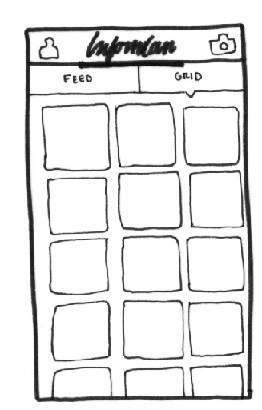
網格檢視
介面卡實際上在 UI 元件和填充 UI 元件資料的源資料之間架起橋樑。介面卡可用於向諸如微調器、列表檢視、網格檢視等提供資料。
ListView和GridView是AdapterView的子類,它們可以透過將其繫結到Adapter來填充,該介面卡從外部源檢索資料並建立表示每個資料條目的檢視。
GridView 屬性
以下是特定於 GridView 的重要屬性:
| 序號 | 屬性和描述 |
|---|---|
| 1 | android:id 這是唯一標識佈局的 ID。 |
| 2 | android:columnWidth 這指定每列的固定寬度。這可以是 px、dp、sp、in 或 mm。 |
| 3 | android:gravity 指定每個單元格內的重力。可能的值包括頂部、底部、左側、右側、中心、垂直居中、水平居中等等。 |
| 4 | android:horizontalSpacing 定義列之間的預設水平間距。這可以是 px、dp、sp、in 或 mm。 |
| 5 | android:numColumns 定義要顯示多少列。可以是整數,例如“100”,也可以是 auto_fit,這意味著顯示儘可能多的列以填充可用空間。 |
| 6 | android:stretchMode 定義列如何拉伸以填充任何可用的空閒空間(如果有)。這必須是以下值之一:
|
| 7 | android:verticalSpacing 定義行之間的預設垂直間距。這可以是 px、dp、sp、in 或 mm。 |
示例
此示例將引導您完成簡單的步驟,以說明如何使用 GridView 建立自己的 Android 應用程式。按照以下步驟修改我們在Hello World 示例章節中建立的 Android 應用程式:
| 步驟 | 描述 |
|---|---|
| 1 | 您將使用 Android Studio IDE 建立一個 Android 應用程式,並在包com.example.helloworld下將其命名為HelloWorld,如Hello World 示例章節中所述。 |
| 2 | 修改res/layout/activity_main.xml檔案的預設內容,以包含具有自解釋屬性的 GridView 內容。 |
| 3 | 無需更改 string.xml,Android Studio 會處理放置在 string.xml 中的預設字串。 |
| 4 | 讓我們將一些圖片放在res/drawable-hdpi資料夾中。我放入了 sample0.jpg、sample1.jpg、sample2.jpg、sample3.jpg、sample4.jpg、sample5.jpg、sample6.jpg 和 sample7.jpg。 |
| 5 | 在包 com.example.helloworld 下建立一個名為ImageAdapter的新類,該類擴充套件 BaseAdapter。此類將實現介面卡的功能,用於填充檢視。 |
| 6 | 執行應用程式以啟動 Android 模擬器並驗證對應用程式所做的更改的結果。 |
以下是修改後的主活動檔案src/com.example.helloworld/MainActivity.java的內容。此檔案可以包含每個基本生命週期方法。
package com.example.helloworld;

import android.os.Bundle;
import android.app.Activity;
import android.view.Menu;
import android.widget.GridView;

public class MainActivity extends Activity {
   @Override
   protected void onCreate(Bundle savedInstanceState) {
      super.onCreate(savedInstanceState);
      setContentView(R.layout.activity_main);

      GridView gridview = (GridView) findViewById(R.id.gridview);
      gridview.setAdapter(new ImageAdapter(this));
   }
}
以下是res/layout/activity_main.xml檔案的內容:
<?xml version="1.0" encoding="utf-8"?>
<GridView xmlns:android="http://schemas.android.com/apk/res/android"
   android:id="@+id/gridview"
   android:layout_width="fill_parent"
   android:layout_height="fill_parent"
   android:columnWidth="90dp"
   android:numColumns="auto_fit"
   android:verticalSpacing="10dp"
   android:horizontalSpacing="10dp"
   android:stretchMode="columnWidth"
   android:gravity="center"
/>
以下是res/values/strings.xml檔案的內容,用於定義兩個新常量:
<?xml version="1.0" encoding="utf-8"?>
<resources>
   <string name="app_name">HelloWorld</string>
   <string name="action_settings">Settings</string>
</resources>
以下是src/com.example.helloworld/ImageAdapter.java檔案的內容:
package com.example.helloworld;

import android.content.Context;

import android.view.View;
import android.view.ViewGroup;

import android.widget.BaseAdapter;
import android.widget.GridView;
import android.widget.ImageView;

public class ImageAdapter extends BaseAdapter {
   private Context mContext;

   // Constructor
   public ImageAdapter(Context c) {
      mContext = c;
   }

   public int getCount() {
      return mThumbIds.length;
   }

   public Object getItem(int position) {
      return null;
   }

   public long getItemId(int position) {
      return 0;
   }

   // create a new ImageView for each item referenced by the Adapter
   public View getView(int position, View convertView, ViewGroup parent) {
      ImageView imageView;

      if (convertView == null) {
         imageView = new ImageView(mContext);
         imageView.setLayoutParams(new GridView.LayoutParams(85, 85));
         imageView.setScaleType(ImageView.ScaleType.CENTER_CROP);
         imageView.setPadding(8, 8, 8, 8);
      }
      else
      {
         imageView = (ImageView) convertView;
      }
      imageView.setImageResource(mThumbIds[position]);
      return imageView;
   }

   // Keep all Images in array
   public Integer[] mThumbIds = {
      R.drawable.sample_2, R.drawable.sample_3,
      R.drawable.sample_4, R.drawable.sample_5,
      R.drawable.sample_6, R.drawable.sample_7,
      R.drawable.sample_0, R.drawable.sample_1,
      R.drawable.sample_2, R.drawable.sample_3,
      R.drawable.sample_4, R.drawable.sample_5,
      R.drawable.sample_6, R.drawable.sample_7,
      R.drawable.sample_0, R.drawable.sample_1,
      R.drawable.sample_2, R.drawable.sample_3,
      R.drawable.sample_4, R.drawable.sample_5,
      R.drawable.sample_6, R.drawable.sample_7
   };
}
讓我們嘗試執行我們剛剛修改的修改後的Hello World!應用程式。我假設您在進行環境設定時建立了AVD。要從 Android Studio 執行應用程式,請開啟專案的一個活動檔案,然後單擊工具欄中的執行 圖示。Android Studio 將應用程式安裝到您的 AVD 並啟動它,如果您的設定和應用程式一切正常,它將顯示以下模擬器視窗:
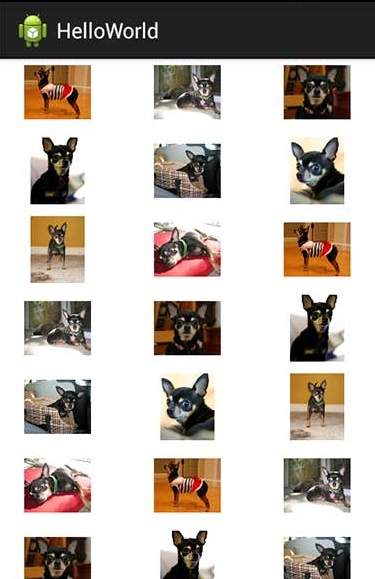
子活動示例
讓我們擴充套件上面示例的功能,我們將以全屏顯示選定的網格影像。為此,我們需要引入一個新活動。請記住,對於任何活動,我們都需要執行所有步驟,例如,我們必須實現一個活動類,在 AndroidManifest.xml 檔案中定義該活動,定義相關的佈局,最後透過在主活動類中使用該子活動將其連結到主活動。因此,讓我們按照以下步驟修改上面的示例:
| 步驟 | 描述 |
|---|---|
| 1 | 您將使用 Android Studio IDE 建立一個 Android 應用程式,並在包com.example.helloworld下將其命名為HelloWorld,如Hello World 示例章節中所述。 |
| 2 | 在包com.example.helloworld下建立一個名為SingleViewActivity.java的新活動類,如下所示。 |
| 3 | 在res/layout/資料夾下為新活動建立新的佈局檔案。讓我們將此 XML 檔案命名為 single_view.xml。 |
| 4 | 使用<activity.../>標籤在AndroidManifest.xml檔案中定義您的新活動。應用程式可以擁有一個或多個活動,沒有任何限制。 |
| 5 | 執行應用程式以啟動 Android 模擬器並驗證對應用程式所做的更改的結果。 |
以下是修改後的主活動檔案src/com.example.helloworld/MainActivity.java的內容。此檔案可以包含每個基本生命週期方法。
package com.example.helloworld;

import android.app.Activity;
import android.content.Intent;
import android.os.Bundle;

import android.view.Menu;
import android.view.View;

import android.widget.AdapterView;
import android.widget.AdapterView.OnItemClickListener;
import android.widget.GridView;

public class MainActivity extends Activity {
   @Override
   protected void onCreate(Bundle savedInstanceState) {
      super.onCreate(savedInstanceState);
      setContentView(R.layout.activity_main);

      GridView gridview = (GridView) findViewById(R.id.gridview);
      gridview.setAdapter(new ImageAdapter(this));

      gridview.setOnItemClickListener(new OnItemClickListener() {
         public void onItemClick(AdapterView<?> parent,
            View v, int position, long id){
            // Send intent to SingleViewActivity
            Intent i = new Intent(getApplicationContext(), SingleViewActivity.class);
            // Pass image index
            i.putExtra("id", position);
            startActivity(i);
         }
      });
   }
}
以下是新活動檔案src/com.example.helloworld/SingleViewActivity.java檔案的內容:
package com.example.helloworld;

import android.app.Activity;
import android.content.Intent;
import android.os.Bundle;
import android.widget.ImageView;

public class SingleViewActivity extends Activity {
   @Override
   public void onCreate(Bundle savedInstanceState) {
      super.onCreate(savedInstanceState);
      setContentView(R.layout.single_view);

      // Get intent data
      Intent i = getIntent();

      // Selected image id
      int position = i.getExtras().getInt("id");
      ImageAdapter imageAdapter = new ImageAdapter(this);

      ImageView imageView = (ImageView) findViewById(R.id.SingleView);
      imageView.setImageResource(imageAdapter.mThumbIds[position]);
   }
}
以下是res/layout/single_view.xml檔案的內容:
<?xml version="1.0" encoding="utf-8"?>
<LinearLayout
   xmlns:android="http://schemas.android.com/apk/res/android"
   android:layout_width="match_parent"
   android:layout_height="match_parent"
   android:orientation="vertical" >

<ImageView android:id="@+id/SingleView"
   android:layout_width="fill_parent"
   android:layout_height="fill_parent"/>

</LinearLayout>
以下是AndroidManifest.xml檔案的內容,用於定義兩個新常量:
<?xml version="1.0" encoding="utf-8"?>
<manifest xmlns:android="http://schemas.android.com/apk/res/android"
   package="com.example.helloworld">

   <application
      android:allowBackup="true"
      android:icon="@drawable/ic_launcher"
      android:label="@string/app_name"
      android:theme="@style/AppTheme" >

      <activity
         android:name="com.example.helloworld.MainActivity"
         android:label="@string/app_name" >

         <intent-filter>
            <action android:name="android.intent.action.MAIN" />
            <category android:name="android.intent.category.LAUNCHER" />
         </intent-filter>

      </activity>

      <activity android:name=".SingleViewActivity"></activity>

   </application>
</manifest>
讓我們嘗試執行我們剛剛修改的修改後的Hello World!應用程式。我假設您在進行環境設定時建立了AVD。要從 Android Studio 執行應用程式,請開啟專案的一個活動檔案,然後單擊工具欄中的執行圖示。Android Studio 將應用程式安裝到您的 AVD 並啟動它,如果您的設定和應用程式一切正常,它將顯示以下模擬器視窗:
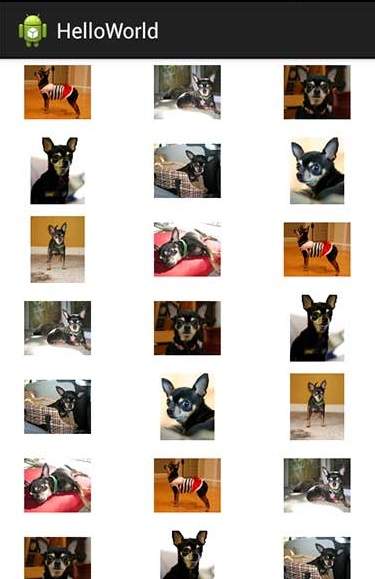
現在,如果您單擊任何影像,它將顯示為單個影像,例如:
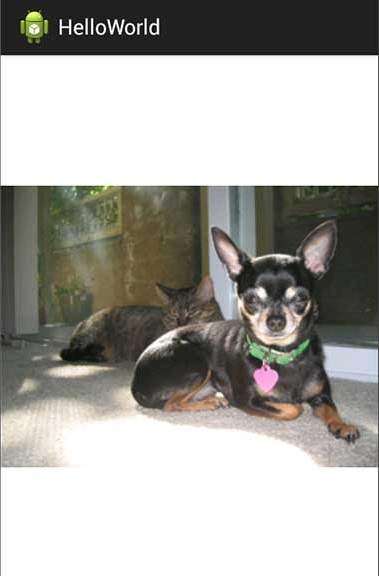
請注意,上面提到的圖片來自 Android 官方網站。