
- Perl 基礎
- Perl - 首頁
- Perl - 簡介
- Perl - 環境
- Perl - 語法概述
- Perl - 資料型別
- Perl - 變數
- Perl - 標量
- Perl - 陣列
- Perl - 雜湊表
- Perl - IF...ELSE
- Perl - 迴圈
- Perl - 運算子
- Perl - 日期和時間
- Perl - 子程式
- Perl - 引用
- Perl - 格式
- Perl - 檔案 I/O
- Perl - 目錄
- Perl - 錯誤處理
- Perl - 特殊變數
- Perl - 編碼規範
- Perl - 正則表示式
- Perl - 傳送郵件
- Perl 高階
- Perl - 套接字程式設計
- Perl - 面向物件
- Perl - 資料庫訪問
- Perl - CGI 程式設計
- Perl - 包和模組
- Perl - 程序管理
- Perl - 嵌入式文件
- Perl - 函式引用
- Perl 有用資源
- Perl - 問答
- Perl - 快速指南
- Perl - 有用資源
- Perl - 討論
Perl unless 語句
Perl 的 unless 語句由一個布林表示式後跟一個或多個語句組成。
語法
Perl 程式語言中 unless 語句的語法如下:
unless(boolean_expression) {
   # statement(s) will execute if the given condition is false
}
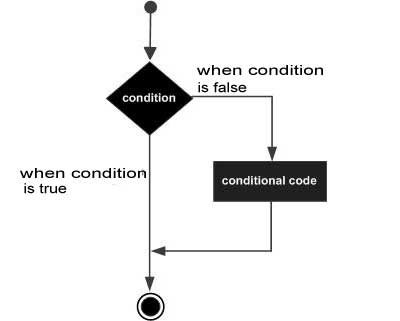
如果布林表示式計算結果為 false,則將執行 unless 語句內的程式碼塊。如果布林表示式計算結果為 true,則將執行 unless 語句結束後的第一組程式碼(在閉合花括號之後)。
數字 0、字串 '0' 和 ""、空列表 () 以及 undef 在布林上下文中都為 false,所有其他值都為 true。透過 ! 或 not 對真值取反會返回一個特殊的假值。
流程圖
示例
#!/usr/local/bin/perl

$a = 20;
# check the boolean condition using unless statement
unless( $a < 20 ) {
   # if condition is false then print the following
   printf "a is not less than 20\n";
}
print "value of a is : $a\n";

$a = "";
# check the boolean condition using unless statement
unless ( $a ) {
   # if condition is false then print the following
   printf "a has a false value\n";
}
print "value of a is : $a\n";
第一個 unless 語句使用了小於運算子 (<),它比較兩個運算元,如果第一個運算元小於第二個運算元,則返回 true,否則返回 false。因此,當執行上述程式碼時,它會產生以下結果:
a is not less than 20
value of a is : 20
a has a false value
value of a is :
perl_conditions.htm
廣告